






Before Made by ON, I ran the brand studio Proud Creative for 15 years. I’ve sat on the agency side of plenty of proposals, and know that the technology question can sometimes come in late for one reason or another, once the creative is set and the client is asking how any of it will get built.
The agency partners we work with most successfully don’t wait for that moment and they don’t treat technology as an executional layer that arrives after the win. They bring it into the conversation when the brief lands. Early, informed thinking about what’s technically possible helps a proposal stand apart and gives the client confidence that digital expression and technical rigour isn’t going to be an afterthought.
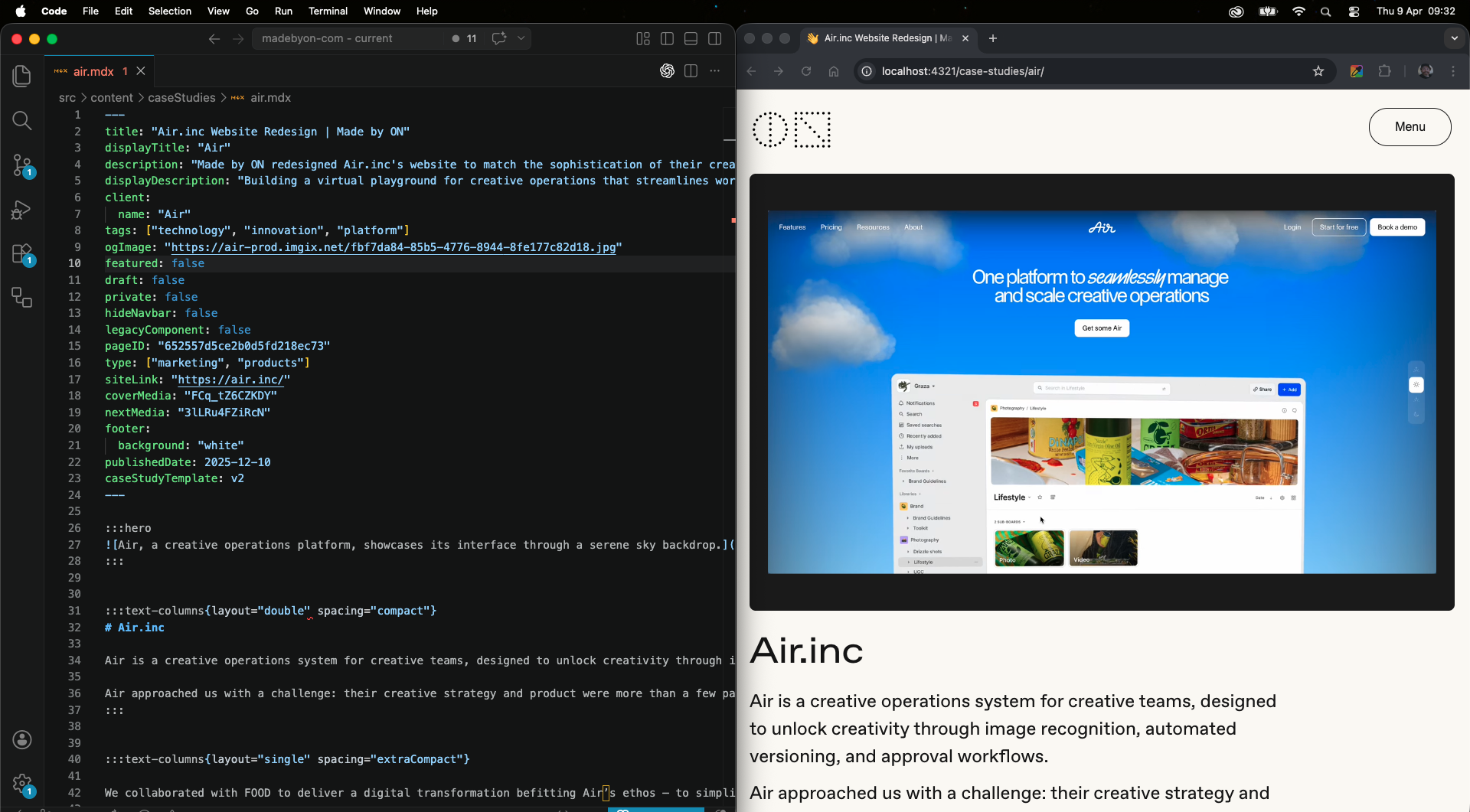
Our Token project is a good example of a partner agency taking the initiative, sensing that digital fluency and a deep knowledge of crypto was going to be key to gaining client trust — and it being decisive in us winning the pitch together.
Token.com, a pitch we won together with a partner agency
And I’m finding these conversations are starting earlier. Partly that’s a testament to relationships built and trust gained over time. But it’s happening with newer partners too, which tells me something else has shifted. The voice of technology has increased sway on the client side and more technical demands are being surfaced in brand focussed briefs.
This can mean us showing up in lots of different ways alongside partners:
- Creating bespoke responses to a brief that give as much weight to brand operations and governance as to brand creation
- Giving SEO/AEO/GEO watch-outs to inform a first client call
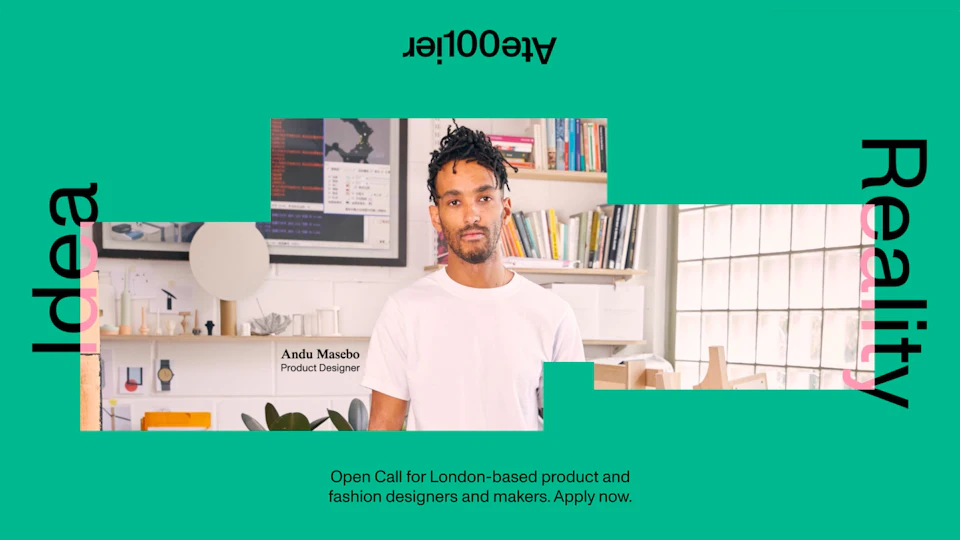
- Advising on moving seamlessly from community building to commerce, as with Atelier100
- Helping to navigate the intricacies of integrating with property databases and PMS software, as with Scape
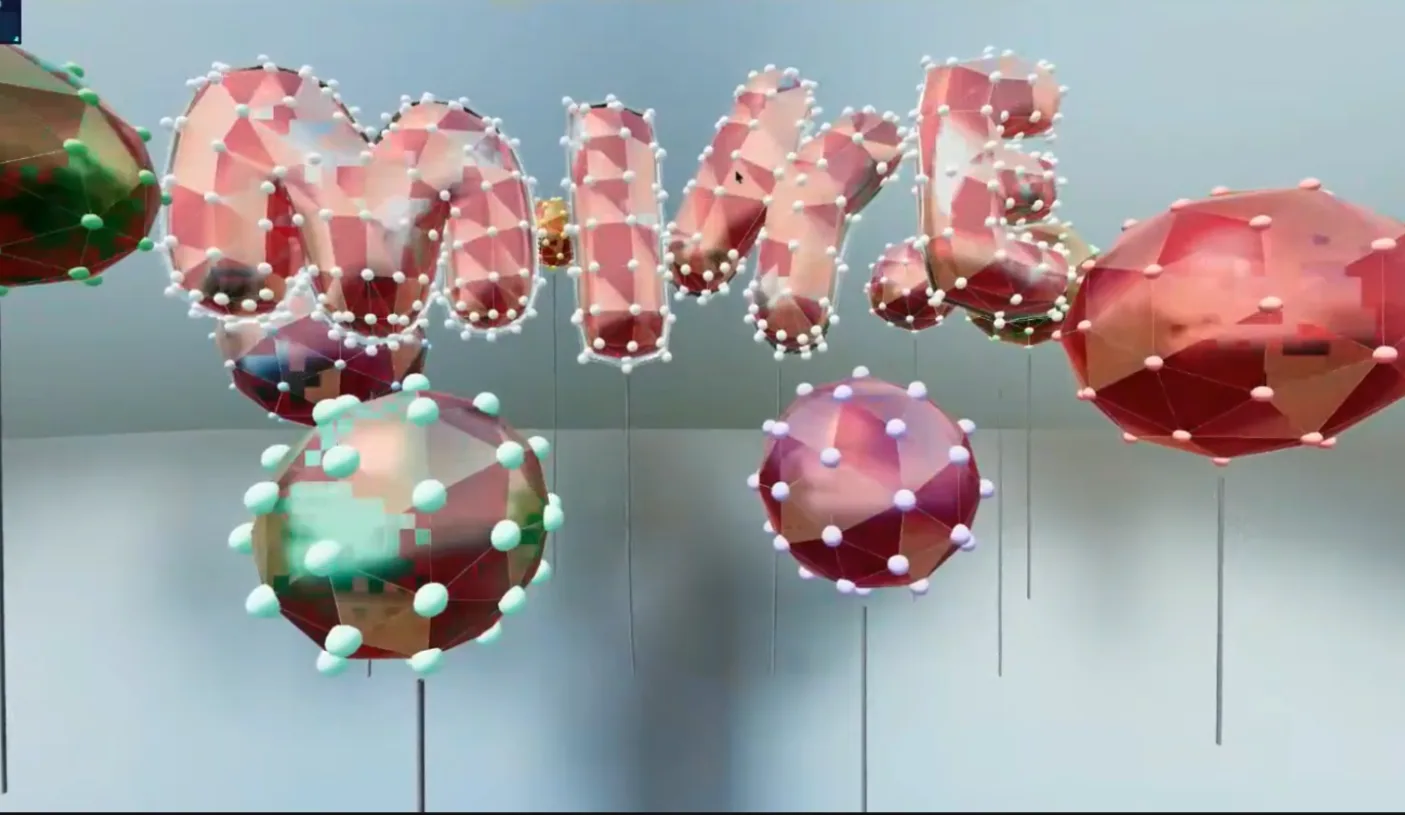
- Building rapid technical prototypes to prove the validity of a complicated experiential idea, as with On
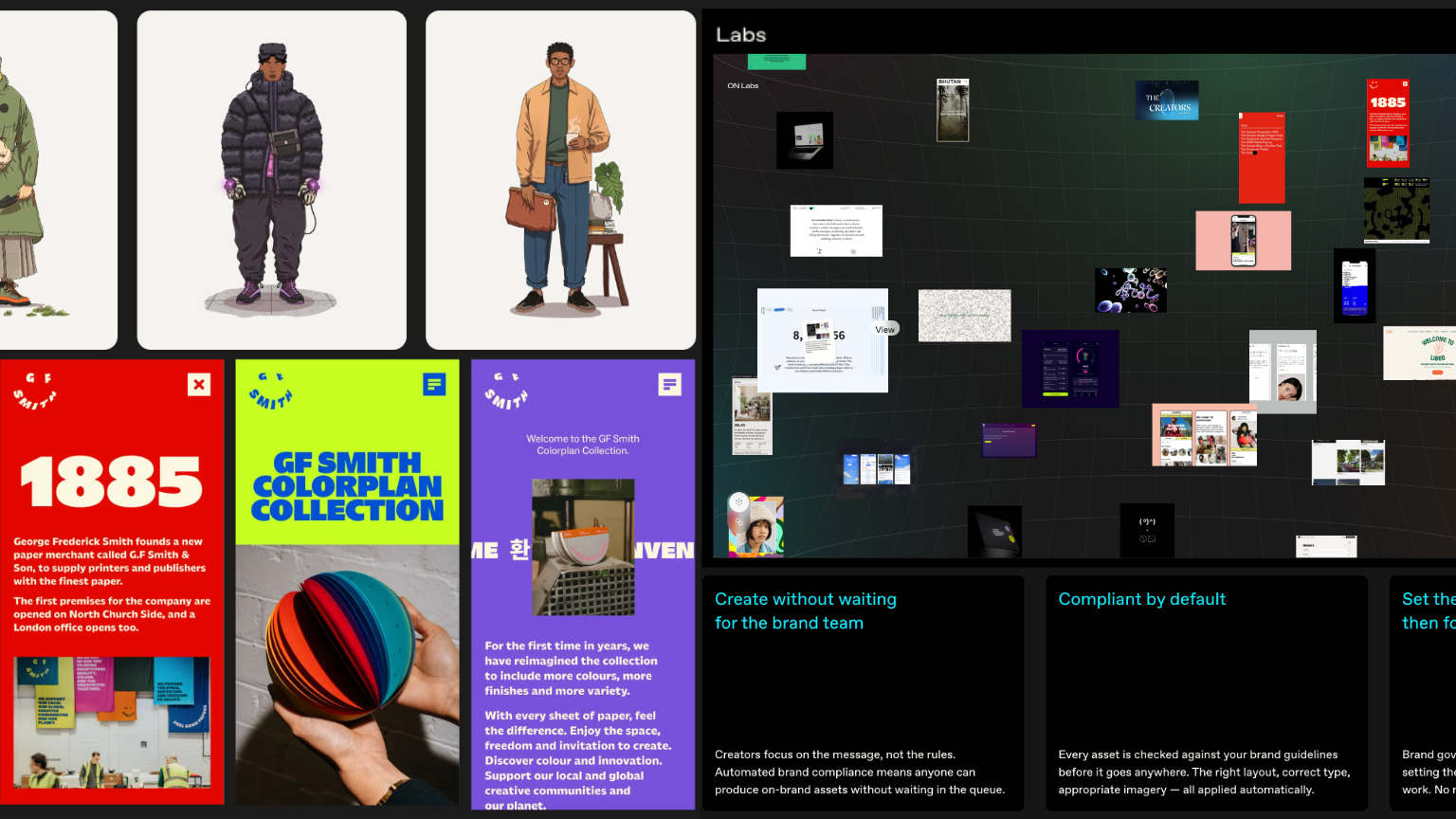
- Alleviating concerns about previous technical constraints that have been holding back more expressive brand moments, as with GF Smith
- And creating detailed project plans that sync and overlap coherently with discovery processes and brand schedules
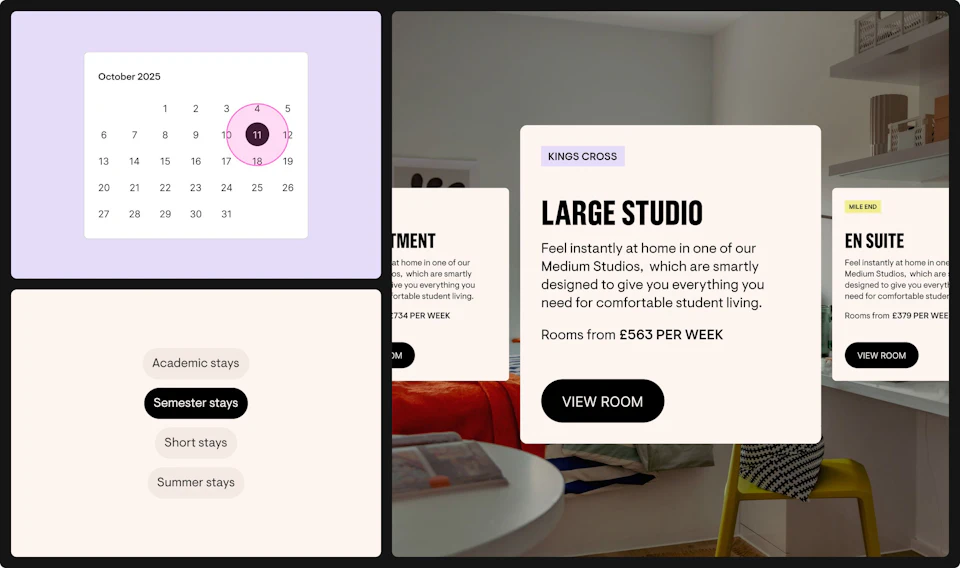
We’ve recently won a project where brand operations and brand governance had equal weight to brand creation. Our work over the last eighteen months, building a brand engine means we’re able to tailor a proposal that is entirely bespoke to a clients’ set-up and delivers quality and value that the mainstream ‘productised’ solutions can’t match.
Clearly not every brief needs the same thing. Part of my job is using what I learned running a studio to judge when the creative technology lens adds the most value, and when it might just get in the way. Sometimes it’s the technical complexity that makes our value-add obvious. Other times it’s a quite straightforward brief, but there’s a nervous client who needs some reassurance that brand and digital are going to work together.

“Made by ON are a partner in the truest sense. I trust them to consistently bring valuable insight early on, to be in the room with us, and to say and do the right thing”
So if you work at an agency, next time a brief lands, send it to me whilst you scope it. We’ll get back to you with a ballpark cost and the main technical watch-outs within 48 hours and if there are more complicated things to dig into we’re always happy to jump on a call.
And if you’d like me to organise a Show and Tell for your team, just let me know. I love doing these informal sessions. They’re a great way to share a few projects, highlight some innovative uses of technology and look at our different ways of working. They also reveal some behind-the-scenes stuff that’s generally a bit harder to share online, for one reason or another.