
Choosing the right tech stack
Here at ON, we intentionally cast a wide net on the technologies that we work with. Across websites, web apps, native apps, installations, and platforms, we don’t tie ourselves to just one, because we recognise that there’s no such thing as “best”, but rather matching the right choices to the...

The theme is the guardrail
WordPress can now describe itself to machines. WordPress 7.0 landed back in May with AI infrastructure in core. There’s an AI Client, a Connectors screen where the provider keys live, and the Abilities API, which actually arrived back in 6.9. Abilities are how core, plugins and themes describe what...
From static frames to a creative operating system
Looking beyond the flashy generative UI, shader effects and animation features at Figma Config signaled a deeper, more structural shift: the transition from a static repository of files and rules into a behavioural operating system. I left San Francisco with a camera roll of screenshots and pages...
Standardise the foundations, not the brand experience
Detailed work at scale comes down to one judgement: which parts of a project are worth building fresh for every brand, and which should be solved once and reused everywhere. Shared functionality on one side, brand expression on the other Engineering teams have plenty of frameworks and platforms to...

Putting video back where it belongs
The problem with putting video in a git repo. The repo kept getting heavier, sprint after sprint. We were committing big MP4s next to the code, builds were slowing down, and deploys with them. Case studies lead with video, so every new client made it worse. We needed the media to live somewhere...
The testbed nobody will see
Every case study was a standalone Astro page with its own layout, its own component imports and its own way of breaking on mobile. Twenty-two of them. Each one built at a different time by a different combination of people, with whatever patterns felt right that week. Changing shared behavior (a...

Cache Components: the right content at the right time
Cast your mind back to the earlier days of the world wide web. A website was essentially a digital document, the web a library, and the internet the mechanism of delivery. Updating a document meant editing HTML on your computer and uploading it to a server by hand, usually over FTP. In 1995 PHP...

We build by leaving things out
Most of what makes a WordPress site good is what we choose to leave out of it. WordPress runs a large part of the web on a big promise: whatever you need, there’s a plugin for it. That promise is one of its greatest appeals, and its most costly trap. Almost everything that harms a WordPress site...
Letting type move
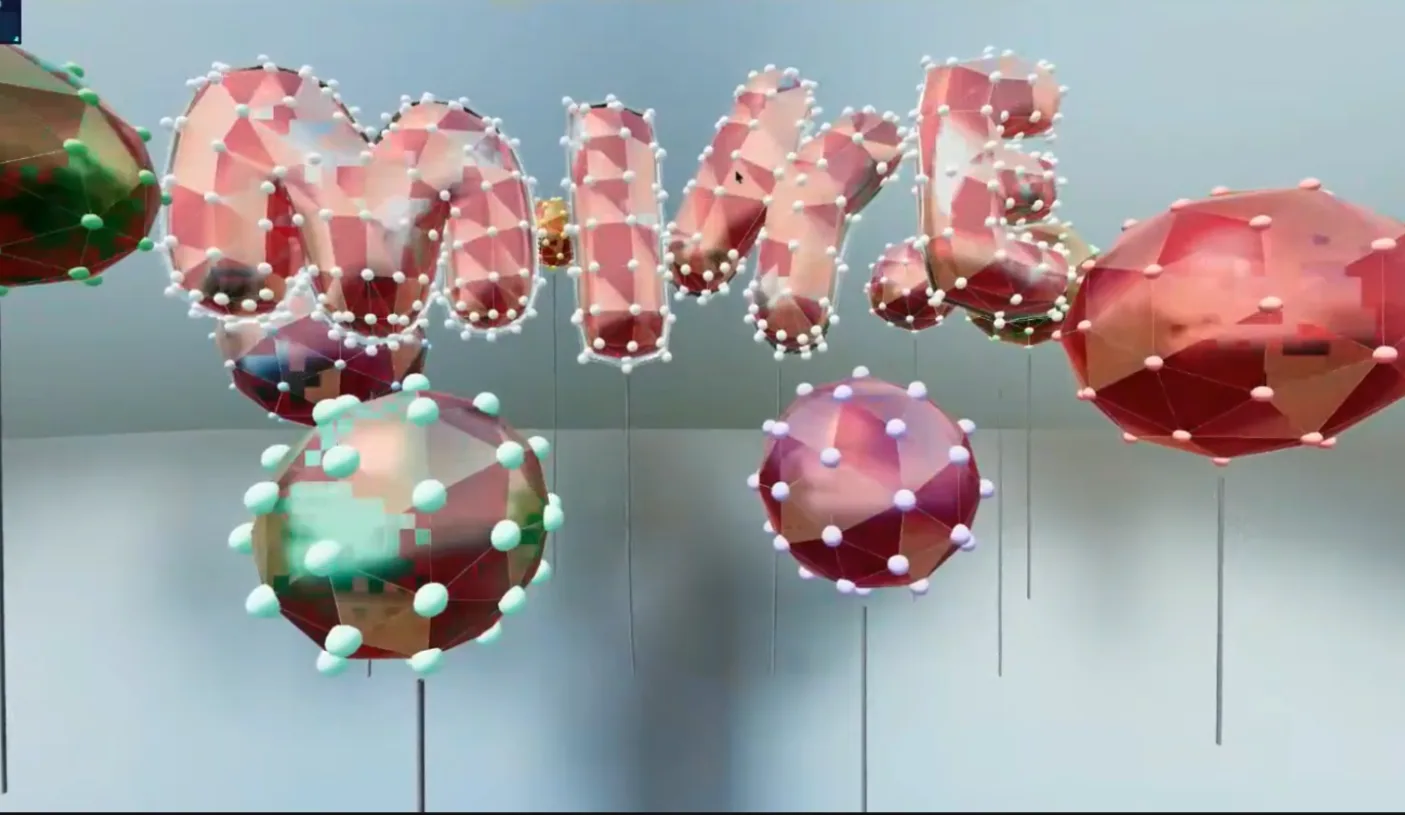
We treat type as something that sits still — fixed in place, headings always the biggest thing, motion bolted on at the end. For one Creative Spark we dropped those rules and asked what type could do once it started moving. Creative Spark is our in-house R&D session: ninety minutes, a single theme,...
The cache that doubled as a coordinator
The rendering engine is what visitors see. The data layer feeds it, and keeping it stable under load was the less glamorous half of the build. This is the second post in the ON Labs series. The first covered the WebGL engine: shaders, draw calls, the GPU-level stuff. This one is about what happens...