


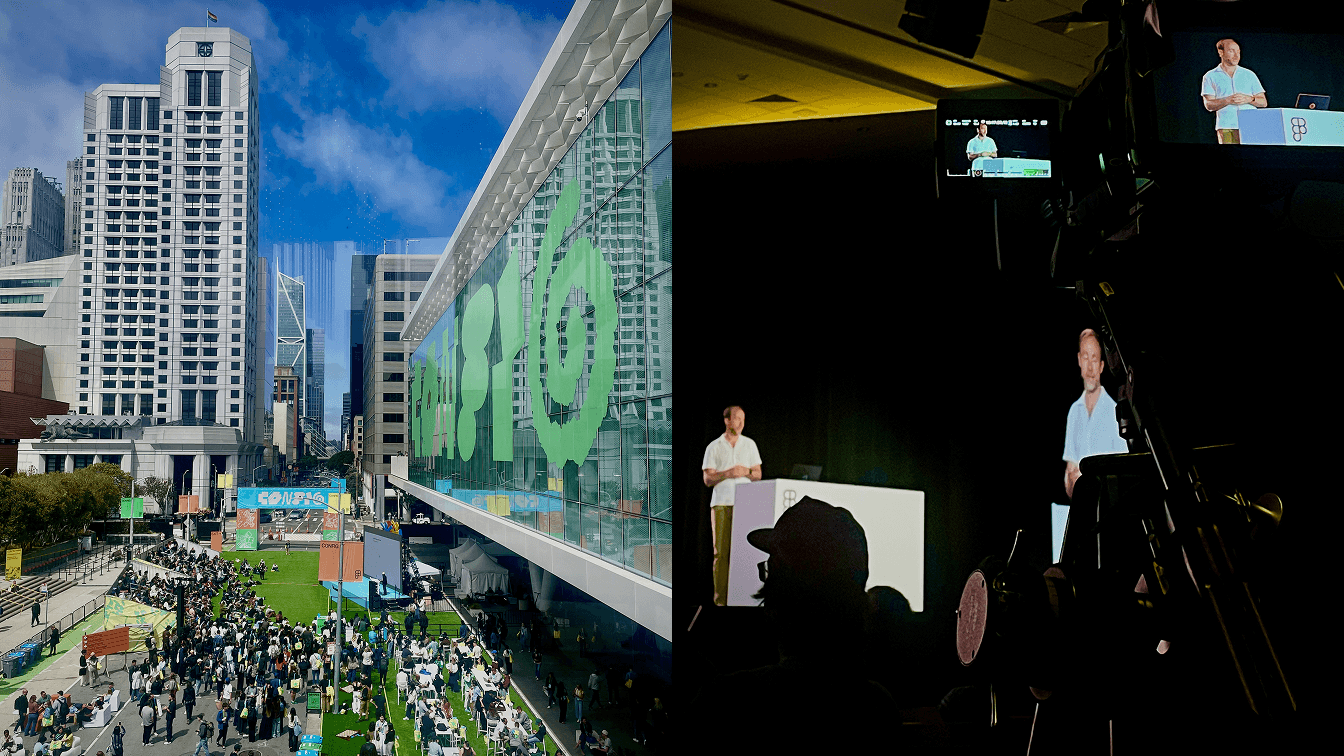

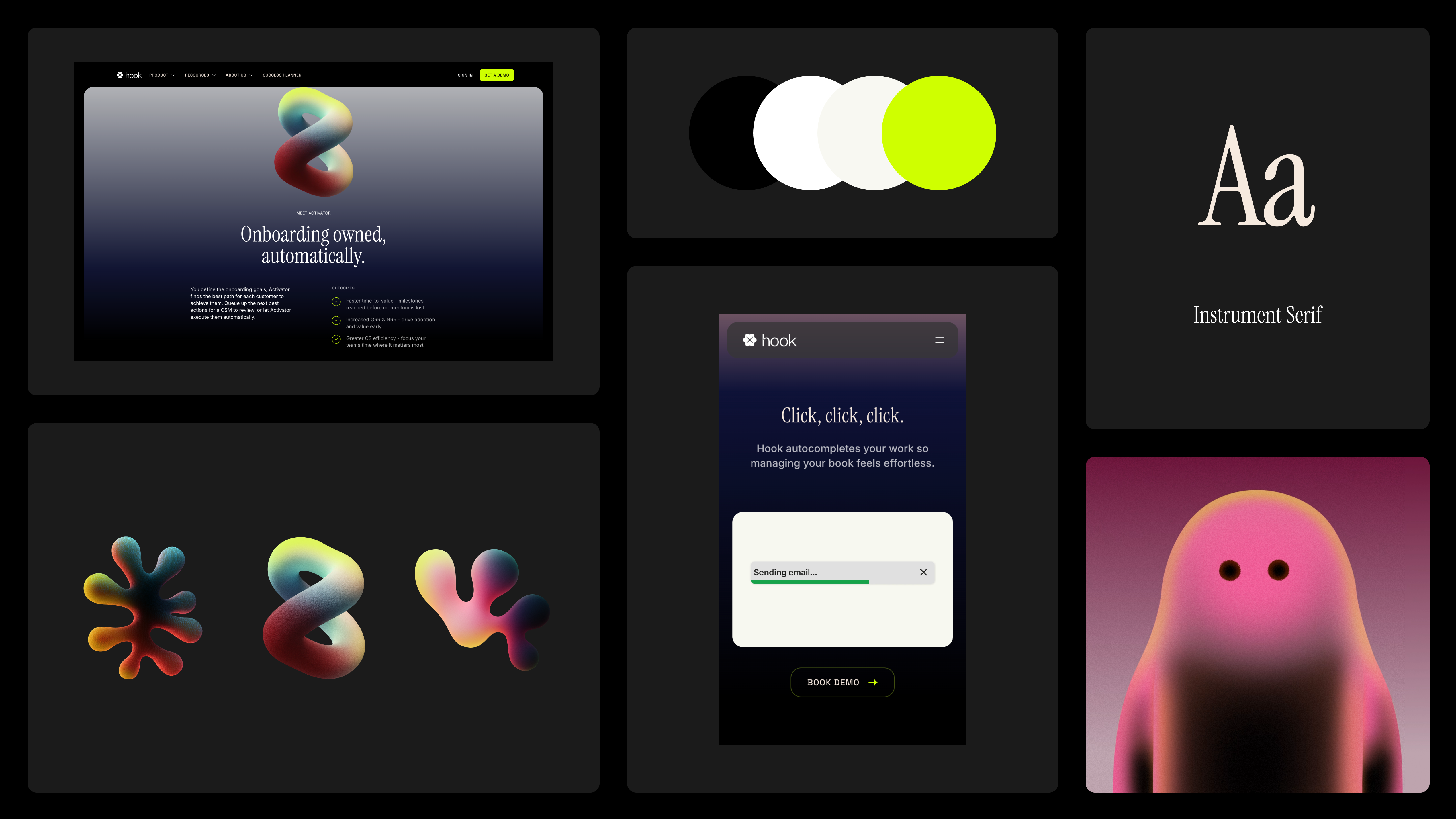
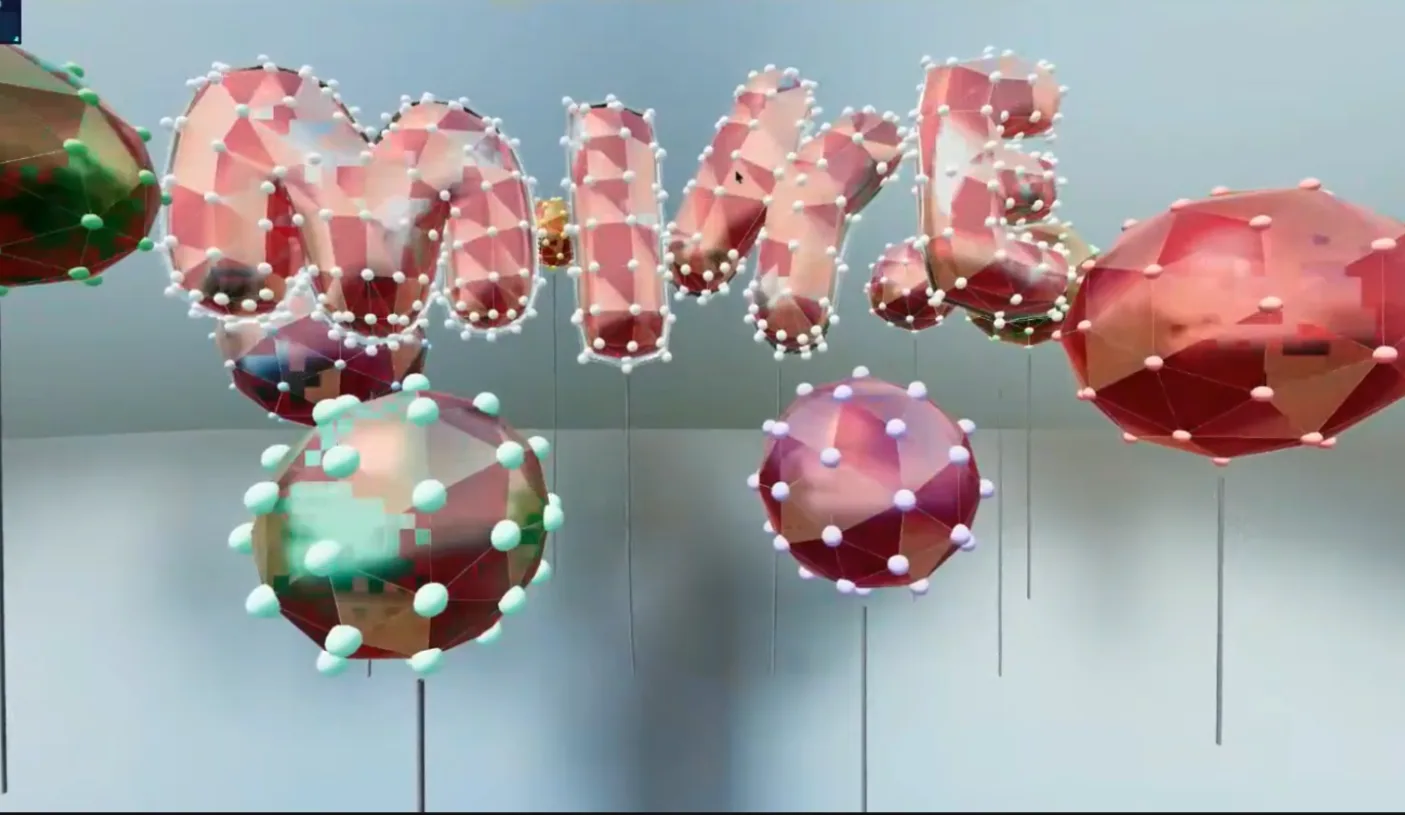


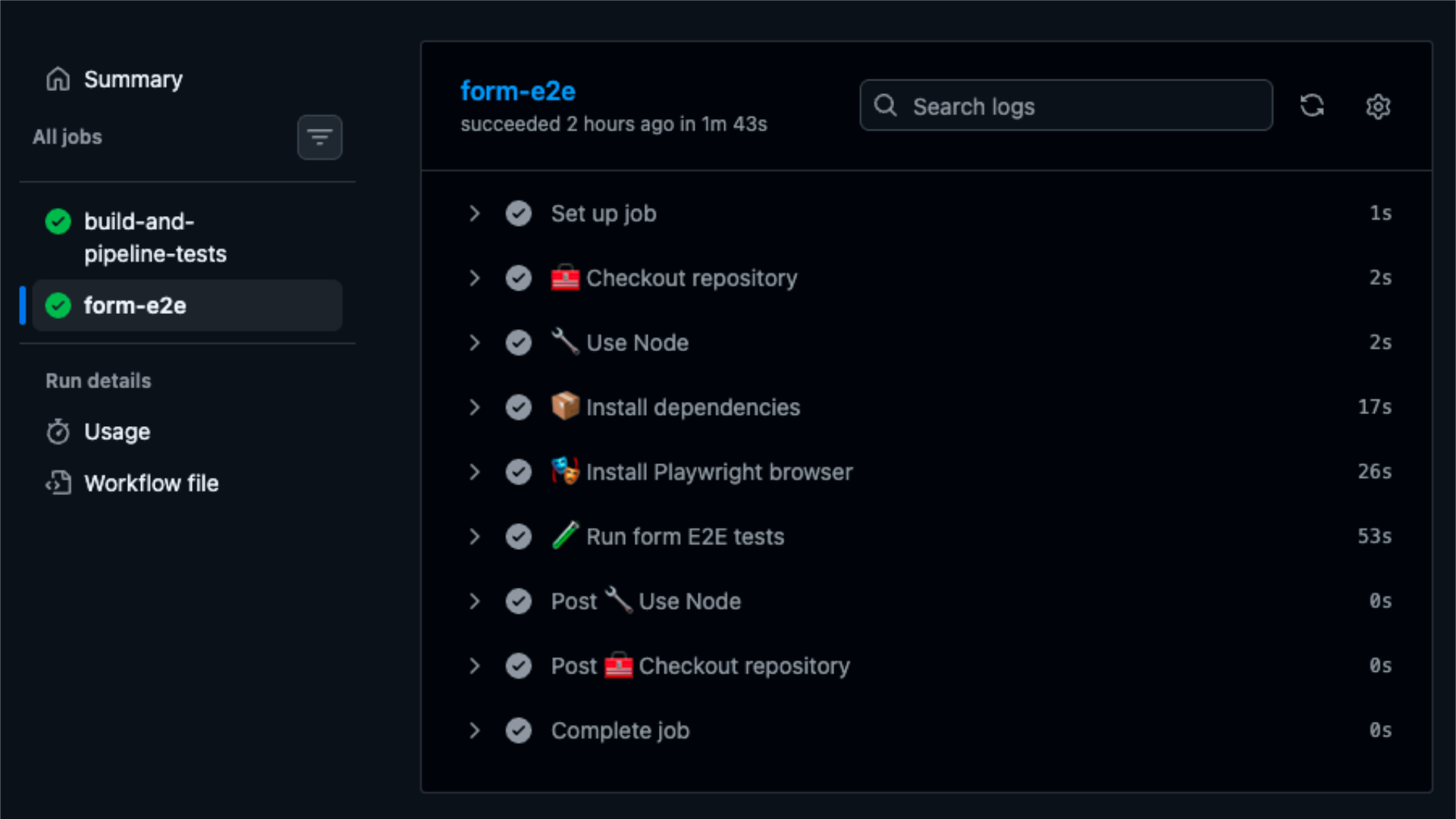

I left San Francisco with a camera roll of screenshots and pages of notes. But as the initial excitement faded, the most compelling ideas were found in the underlying philosophy of what those tools are beginning to enable.
During the conference OpenAI’s Kim Beverett described product development through the lens of theatre: “a brief is the script, the work is the performance”.
A script describes what should happen, but it cannot define how it unfolds in real-time; it encodes intention, not behaviour. The actual performance emerges through a continuous series of live decisions made under constraint, interpreted by real people in real contexts.
That’s a useful lens through which to view Figma’s announcements. Viewed individually, Weave, Generative Plugins and Skills all solve different problems. Zoom out and they share the ability to capture expertise, packaging processes in order to make creative thinking reusable. Critically, they also embed that thinking directly into how the work gets made.
That matters because, for years, we’ve managed creative knowledge through repositories. Brand guidelines, design systems, content libraries, digital asset management — all increasingly sophisticated places to store information. They tell us how something should work, but they don’t participate in the work. They’re consulted, interpreted, translated into reality and, inevitably, start to drift over time.
An operating system behaves differently. It doesn’t just describe the rules; it applies and orchestrates them. It’s the infrastructure through which decisions are made, assets are created, quality is maintained. Engineering has worked this way for years: code doesn’t exist as files dormantly sitting in a repository, but within a living system of source control, testing, deployment, monitoring and feedback, each part reinforcing the next.
Outside of VFX departments, creative work has largely lacked an equivalent.
Figma Weave resonated more than the shader effects and motion demos because it pointed towards workflows becoming intelligent products in their own right. Generative Plugins do something similar. Easy to dismiss as yet another productivity feature, they’re really a way of packaging organisational knowledge. The process, that once lived solely in one person who knows how to prepare launch assets, becomes accessible to the wider organisation.
Whilst each of those tools moves creative work further from documentation and closer to infrastructure, Figma’s announcements occupied only one part of a wider architecture. Today’s conversation is dominated by generation — how quickly we can produce assets, how many variations, which model gives the best result.
Models will improve. Speed will increase. However the full value will only be unlocked once generation becomes embedded within a more nuanced system.
Before anything can be generated, knowledge has to be extracted, brand thinking encoded, decisions made machine-readable. Afterwards, outputs need governing across teams, regions and channels; performance needs measuring; learning needs to be fed back so tomorrow’s work benefits from today’s telemetry. Generation remains the visible artefact, but the architecture is where enduring value is created.
From a creative technology perspective, that’s an exciting shift. Working alongside leading brands and brand agencies, our role has always been about bringing their foundational vision to life through digital experiences. Increasingly, that feels less like translating guidelines into an interface and more like designing the systems through which ideas can be expressed coherently, adapt appropriately, and evolve intelligently.
The organisations that build lasting advantage will be the ones centred around creative operating systems — systems that don’t just generate outputs, but continuously capture, apply and evolve the thinking behind it.

