







The answers to those questions usually exist somewhere: in project documents, decks, asset libraries or simply the memory of the team involved. But tracking those answers down, connecting the dots, and shaping them into a compelling argument can take almost as much effort as writing the proposal itself.
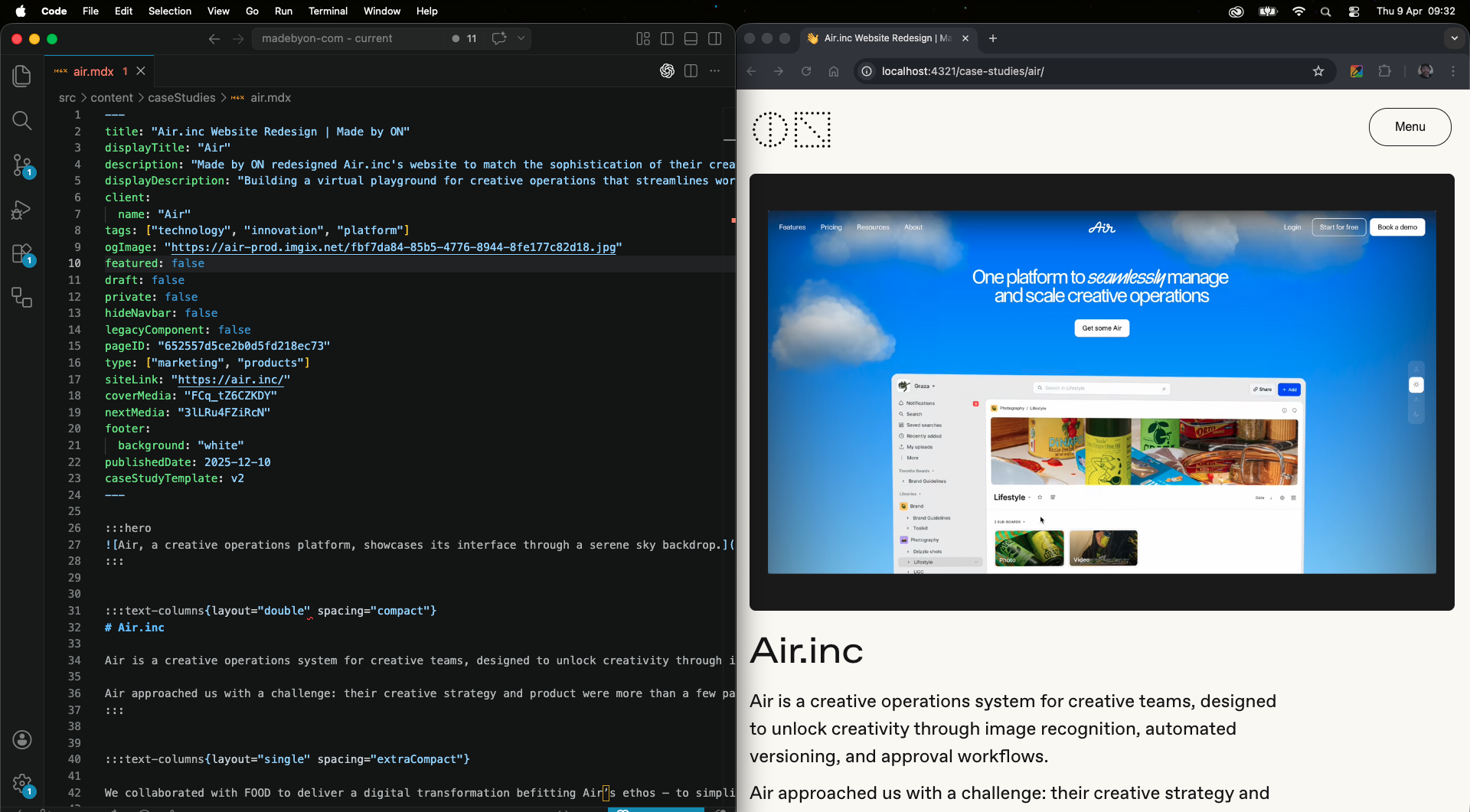
At Made by ON, we’re exploring how AI can unlock that accumulated intelligence, starting with something we already produce: case studies.
A case study is more than a project showcase
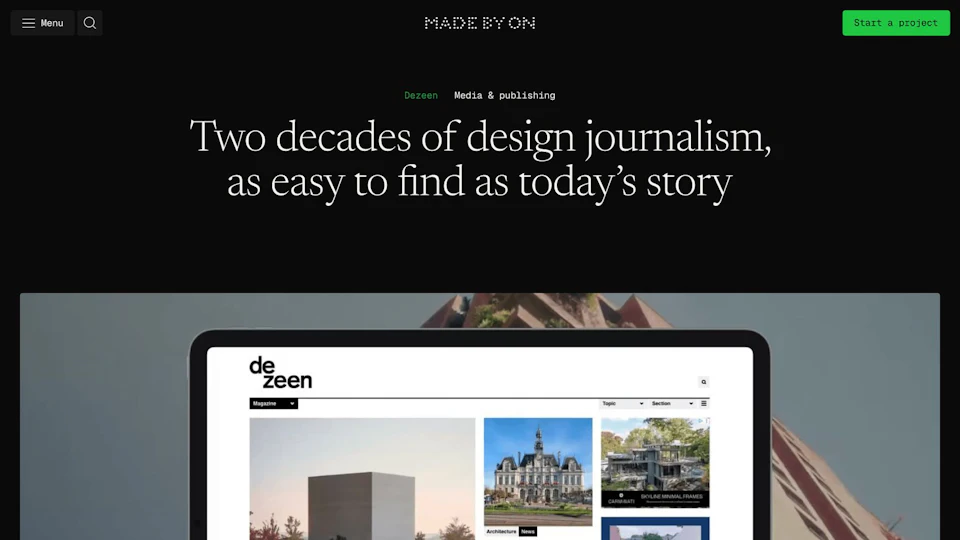
A case study is usually treated as a marketing deliverable: a polished account of a project written for an external audience. But underneath the marketing storyline sits a much richer record of organizational intelligence.
In principle, our case studies should function more like academic papers: rigorous records designed to document methodology, validate findings and allow future teams to build on past work. The difference is accessibility. Academic research often remains locked behind dense formats and specialized silos; our goal is to make that same depth of insight radically accessible across diverse audiences, formats and internal needs.
A case study holds the core problem we set out to solve, the decisions we made, the technologies we deployed, the expertise we brought to bear and the results we achieved. It reveals how we approach an industry, what worked in practice and why one architectural direction won out over another.
Conventional case studies are built to communicate an end result, not to help a colleague debug a technical challenge or pinpoint the right domain lead across hundreds of past engagements. AI gives us an opportunity to change this. Producing case studies more efficiently offers an immediate benefit by making our work visible with greater consistency and scale. But the real breakthrough comes when the intelligence underpinning them becomes structured, connected and actionable across an entire organization. The goal is not simply content reuse but to make our direct experience embedded in the work instantly available whenever someone needs it.
From project archive to knowledge graph
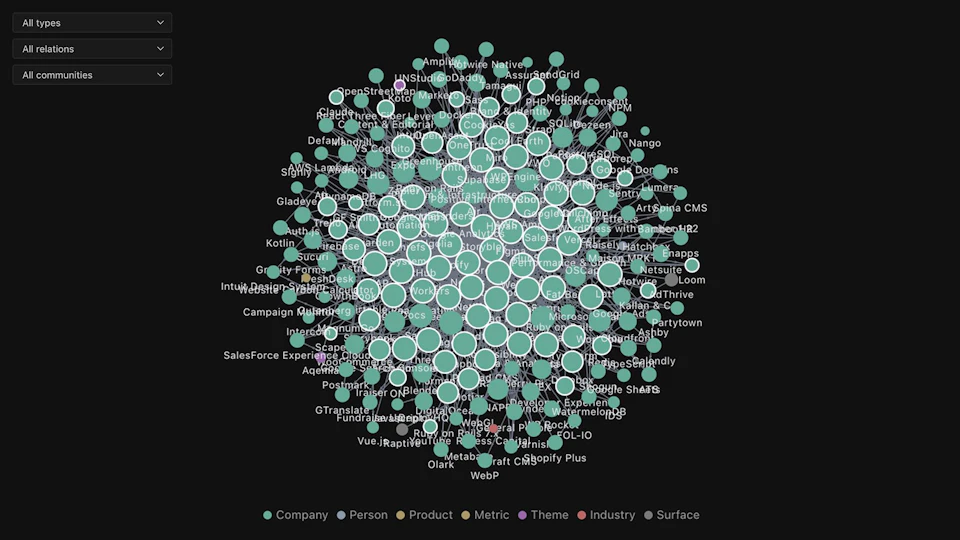
Imagine preparing a pitch for a healthcare partner. Instead of digging through old decks and pinging colleagues on Slack, you could immediately surface relevant healthcare engagements, inspect the exact tech stack deployed and review how similar challenges were resolved. You could pinpoint peers with relevant domain experience and draw on validated precedents that strengthen your pitch on day one.
The same foundation helps a delivery team troubleshoot an architectural hurdle, an engineer evaluate past technical tradeoffs or a strategist map our related experience in an emerging sector. This is the role of a knowledge graph: connecting projects, people, technologies, industries and outcomes so relationships become actionable, not just searchable.
This is also what defines modern consultancy. Clients come to us for our expertise, but holding expertise in an archive is no longer enough. A modern consultancy gives its people the data infrastructure, connected skill sets and intelligent systems needed to deliver on that brand promise with speed and conviction every single time.
We started by making our project history queryable, with the case study simply the first artifact generated by the system. While a static library helps you locate a file, a connected knowledge system surfaces the reasoning, technical context and expertise behind it.
Knowing what to automate
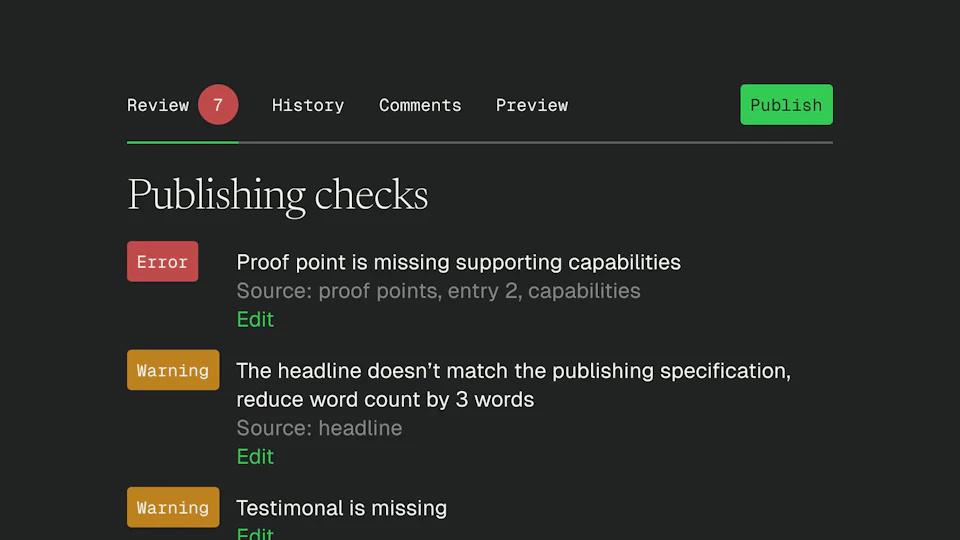
Making this work requires more than dumping documents into a model and asking questions. The underlying information must be structured cleanly, relationships must be well-defined and the system must distinguish between facts, rules and judgments.
That is why we combine deterministic processes with AI interpretation. We use AI when it helps interpret and connect unstructured information, not when a deterministic rule will do the job faster, cheaper and without drift.
Equally vital is preserving the boundaries of what the system actually knows. The system separates what a source states from what it infers, explicitly records what is missing instead of hallucinating to fill the gap and doesn’t make claims that still need approval. The goal is to make verified expertise available to the people who need it, exactly when they need it.
An asset that grows with every project
The most valuable AI investment is rarely the tool that outputs a single asset fastest. It is the infrastructure that makes an organization’s collective intelligence able to compound whilst being readily accessible.
Every project should leave behind more than the deliverable. It should feed into an asset that helps our organization understand its own capabilities, build on past lessons and put proven expertise directly into practice.
Ultimately, the question is not just how AI helps us produce more today, but how the work we produce today can make our organization more capable tomorrow.

