



In every agency I’ve worked in – research, consulting, media analytics, digital – getting things done should be simple. They’ve all been full of brilliant people bursting with professional pride, where nobody wants to ship something they wouldn’t put their name to, and Made by ON is no different.
And for client work, it is mostly simple, because projects are the beating heart of the business and delivering them to plan seems to be second nature for our teams.
But plenty of other things don’t get done, like the case studies we mean to write, the positioning we mean to sharpen and the site we mean to refresh. That’s not for lack of talent or care, but because the same instinct that puts the client first puts everything else second.
The cause is structural, because client work arrives with three things internal work lacks – a defined need, a deadline someone else owns and a person waiting at the other end. Internal work has no client. Nobody chases it, so it slips, quietly and indefinitely.
If we can’t turn our internal work into client work, how can we buck this trend? Over the past year, we’ve learned a few tricks that work for us.
Challenge the inventor
In late 2025, and with so many great client projects to talk about, we really wanted to get serious about content marketing. In December, Tudinh, our CEO, produced a detailed plan for the year. It was a good plan but an ambitious one, and the idea that we’d publish a case study a month looked so fanciful that I said so, telling Tudinh I’d never seen it done before. It turned out that was just the prompt he needed.

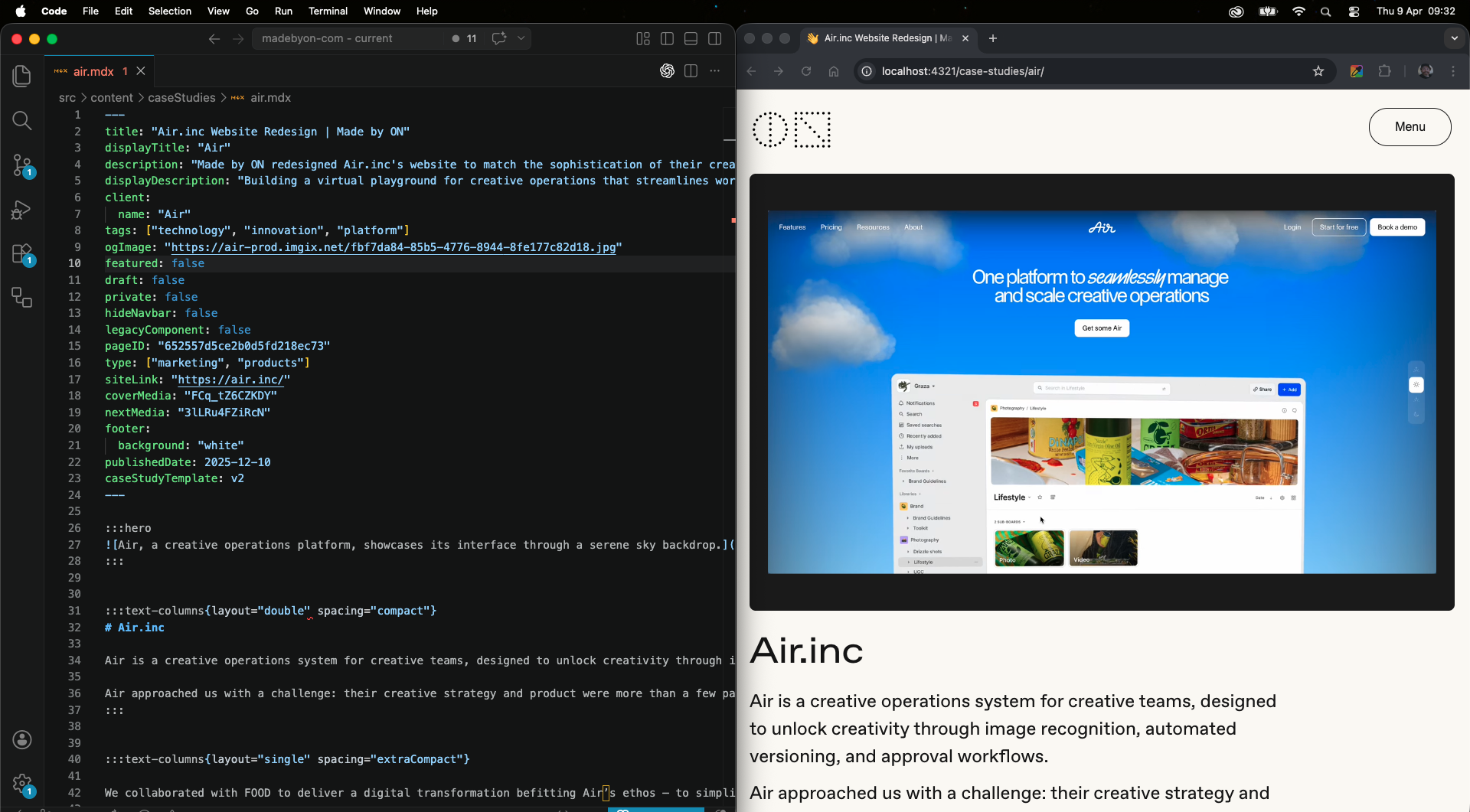
He turned his attention to everything we already knew about our work but had never brought together. By applying the same creativity and technology we use for client work, he built a knowledge graph that connects it, so that each case study starts from what really happened on the project. It scaffolds the content and assets for every study in a streamlined way, leaving the team free to shape the story in our own voice. More than 30 case studies later – now publishing roughly one a week – I suspect the most useful thing I contributed to that plan was doubt, and we now have a proprietary tool that we can offer partners too.
Borrow the deadline
We’d wanted to refresh our brand and relaunch our website for some time, but wanting isn’t a deadline.
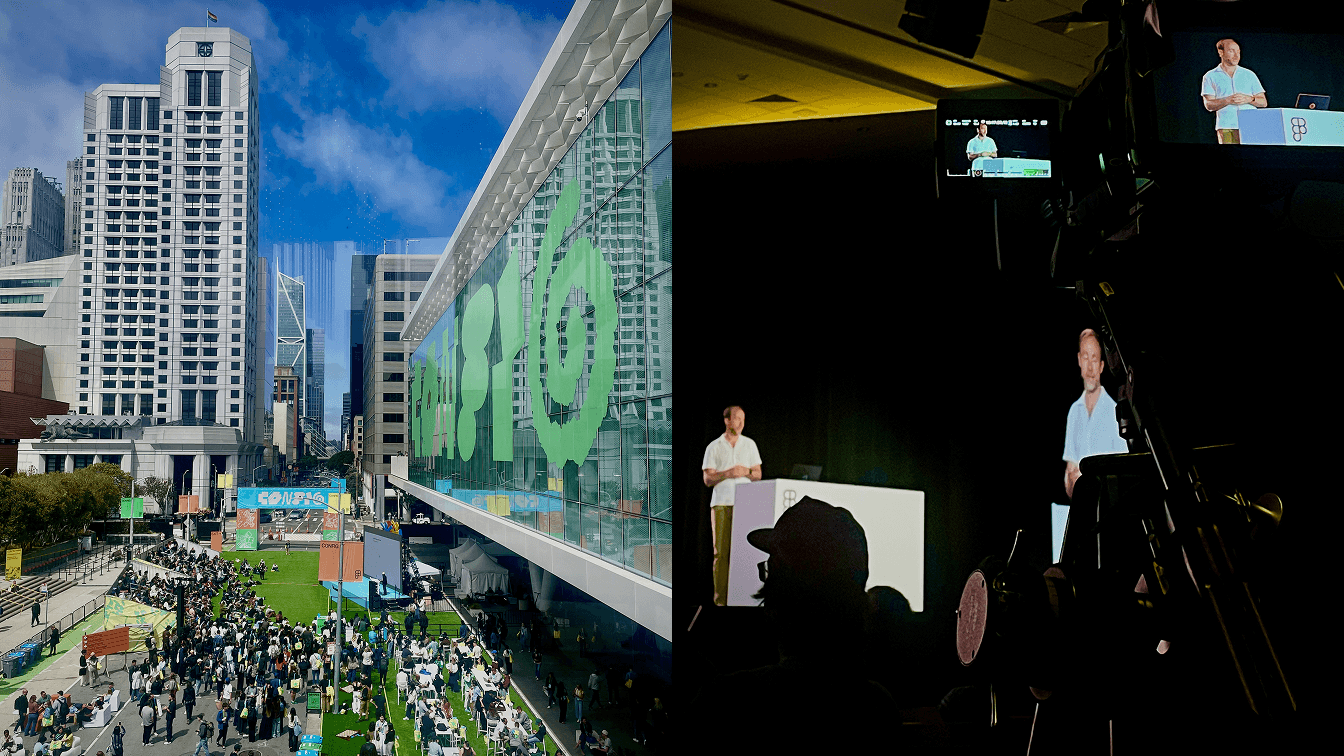
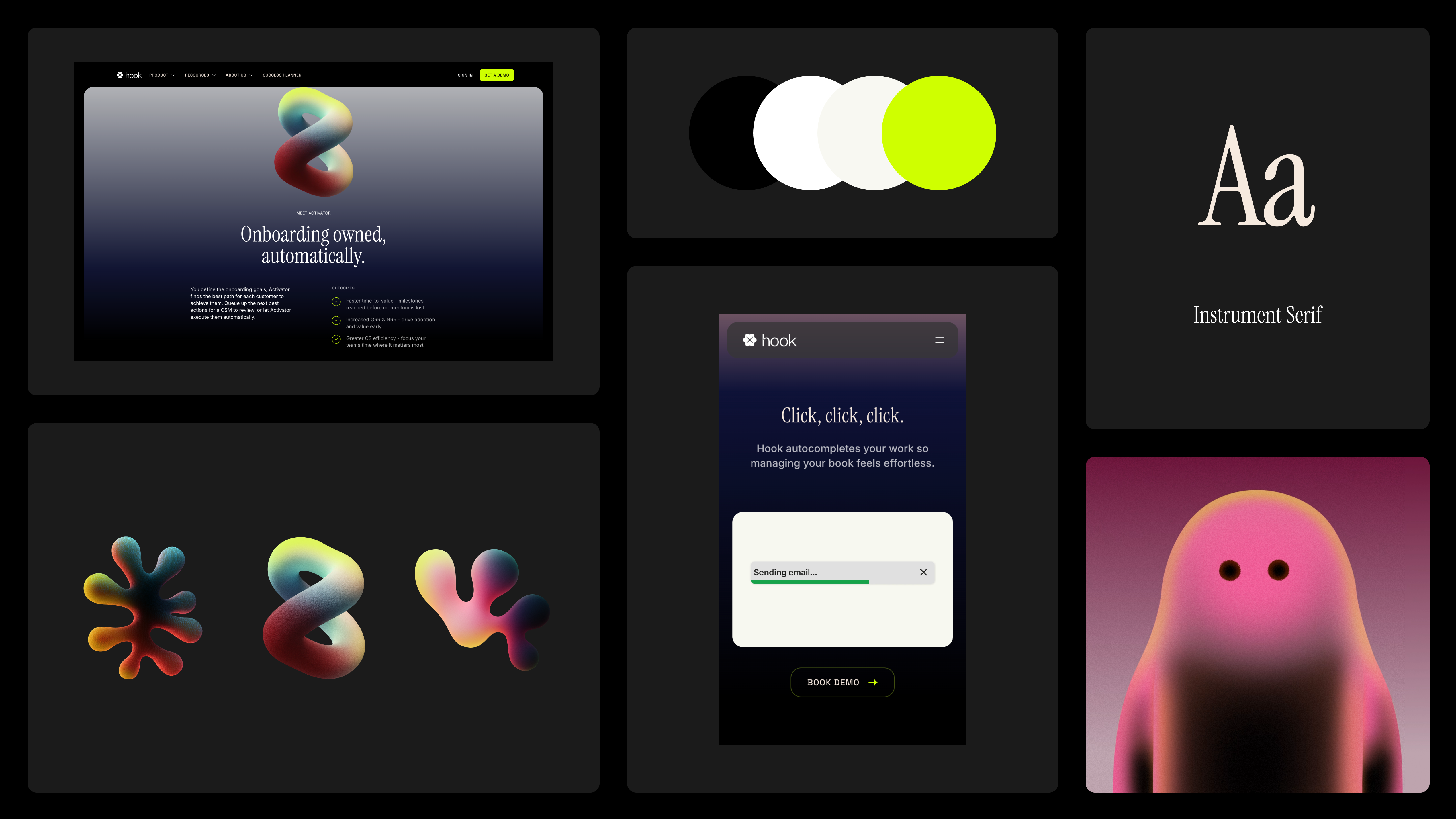
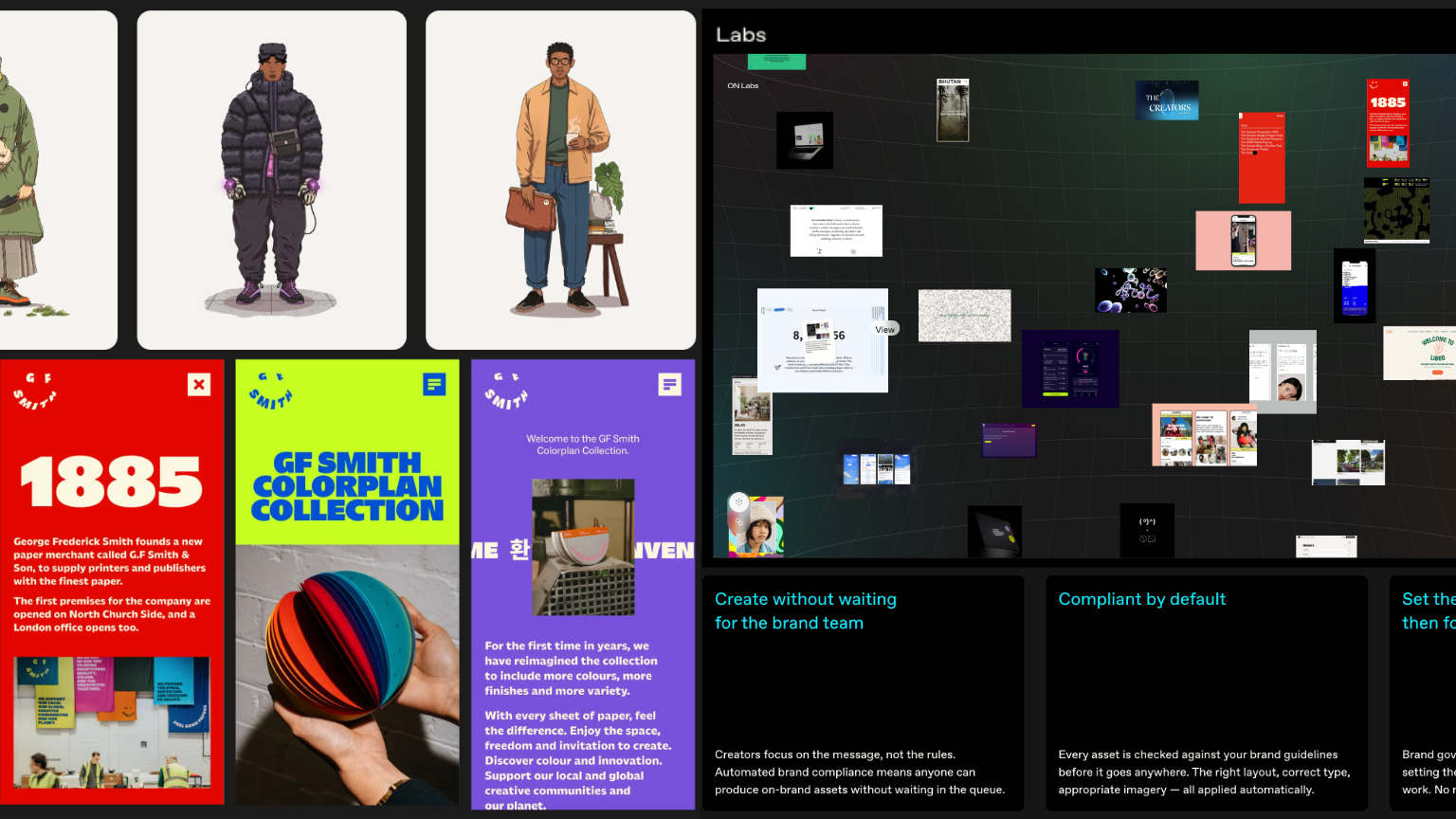
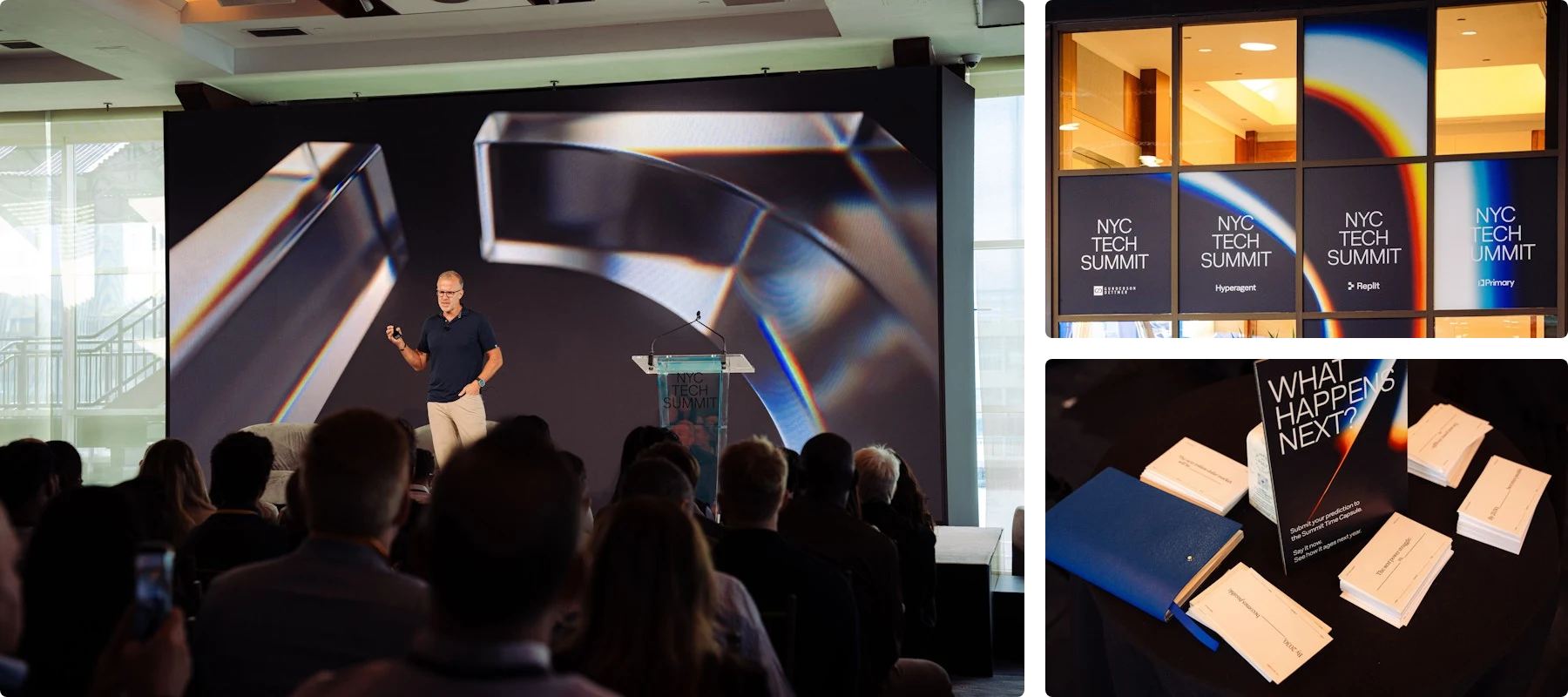
Then Primary Venture Partners asked us to be their digital partner for their NYC Tech Summit, their invite-only event for over 1,500 founders, operators, and investors. Our name would be visibly attached, in a room full of exactly the people we’d most like to work with, and turning up with the old site wasn’t an option. The event was in September, so the relaunch was in September. Wanting became needing, and needing became reality. And not just a new website, but a whole new way of designing and building efficiently that we’re now applying to our clients’ work.
Make it a dependency
Beyond launching websites, our offer was more a smorgasbord of capabilities than a client-ready narrative, and changing that never got far enough up the to-do list.
So we tied it to something that did run to a schedule. We made the new website offer-centric, built around Launch, Optimise and Scale, each with its services, its proof and its questions answered, and to write those pages we had to settle the offer.
It also forced newer work – like AI visibility and the AI Brand Engine – to sit inside that broader offer rather than in its own silo. To place it there, we had to understand it well enough to explain it, and now when we talk to clients, they get it too.
Commit publicly and build in the open
The last trick is evidenced in what you’re reading right now, a Field Note we publish every week, alongside release notes for our website every Thursday that you can find in the footer below. A public cadence means a miss is visible to everyone, and after all, a promise to you is a deadline we all take seriously.
Our release notes, one for every week since September 2025
What still slips
Some things still don’t get done, but we’ve stopped treating that as a willpower problem and started treating it as a design problem. And you can too, by understanding where momentum already exists and recognising how humans work and how creative technology helps. You’ll probably find – as we have – that your clients and customers benefit as much as you do.