



From the outside, a career in this field has no obvious shape, and a week spent watching over someone’s shoulder doesn’t give it one.
One week, one real brief
So the week is structured rather than simply open-door. It runs on-site, every day, and it isn’t one person carved out to look after the student. Someone from each part of the business makes time to sit down with them, in person, over the course of the week. Those conversations are what the week is really built around. Across the industry we’ve watched work experience opportunities thin out over the last few years, and we’re keen to keep ours alive.
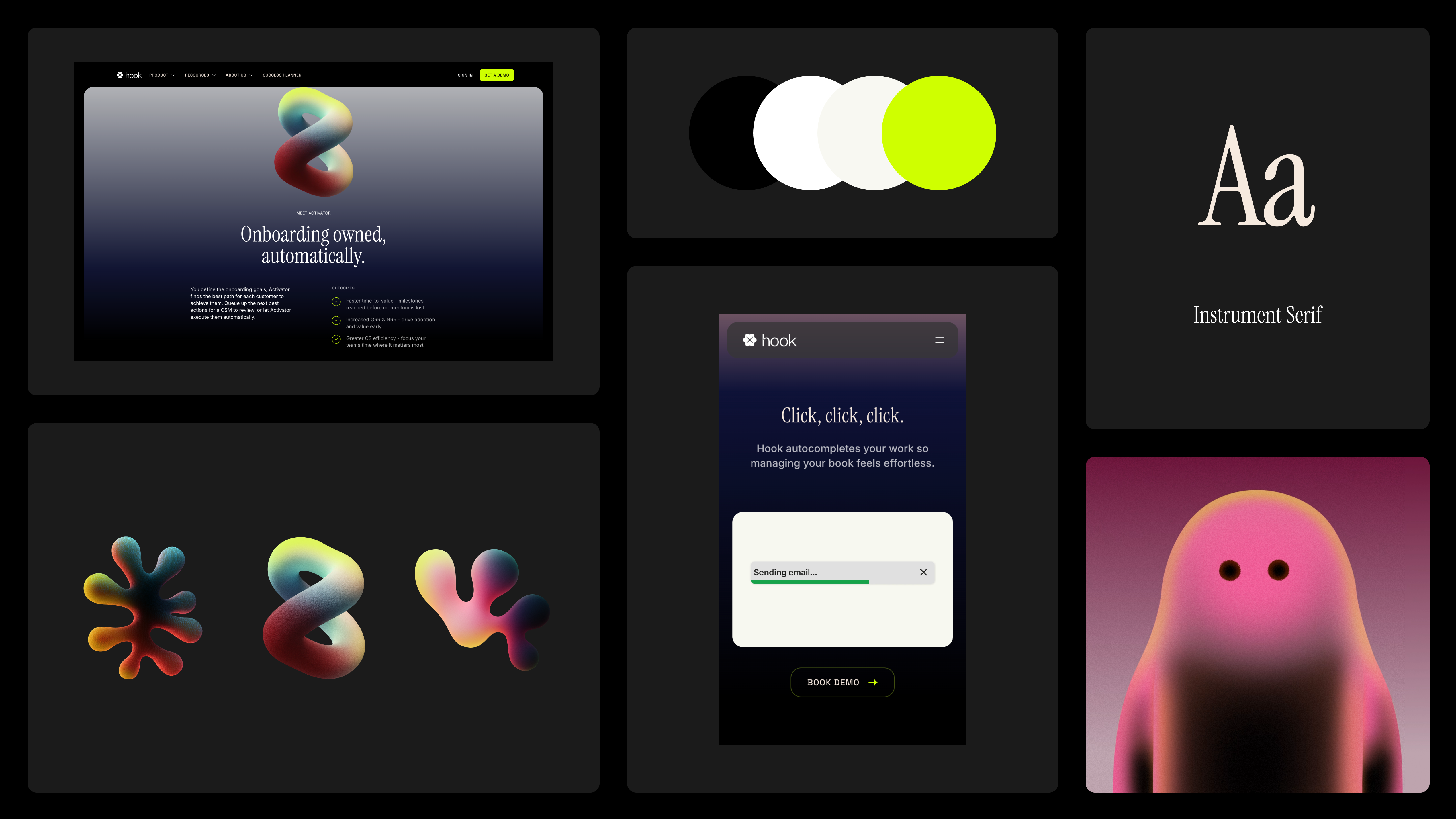
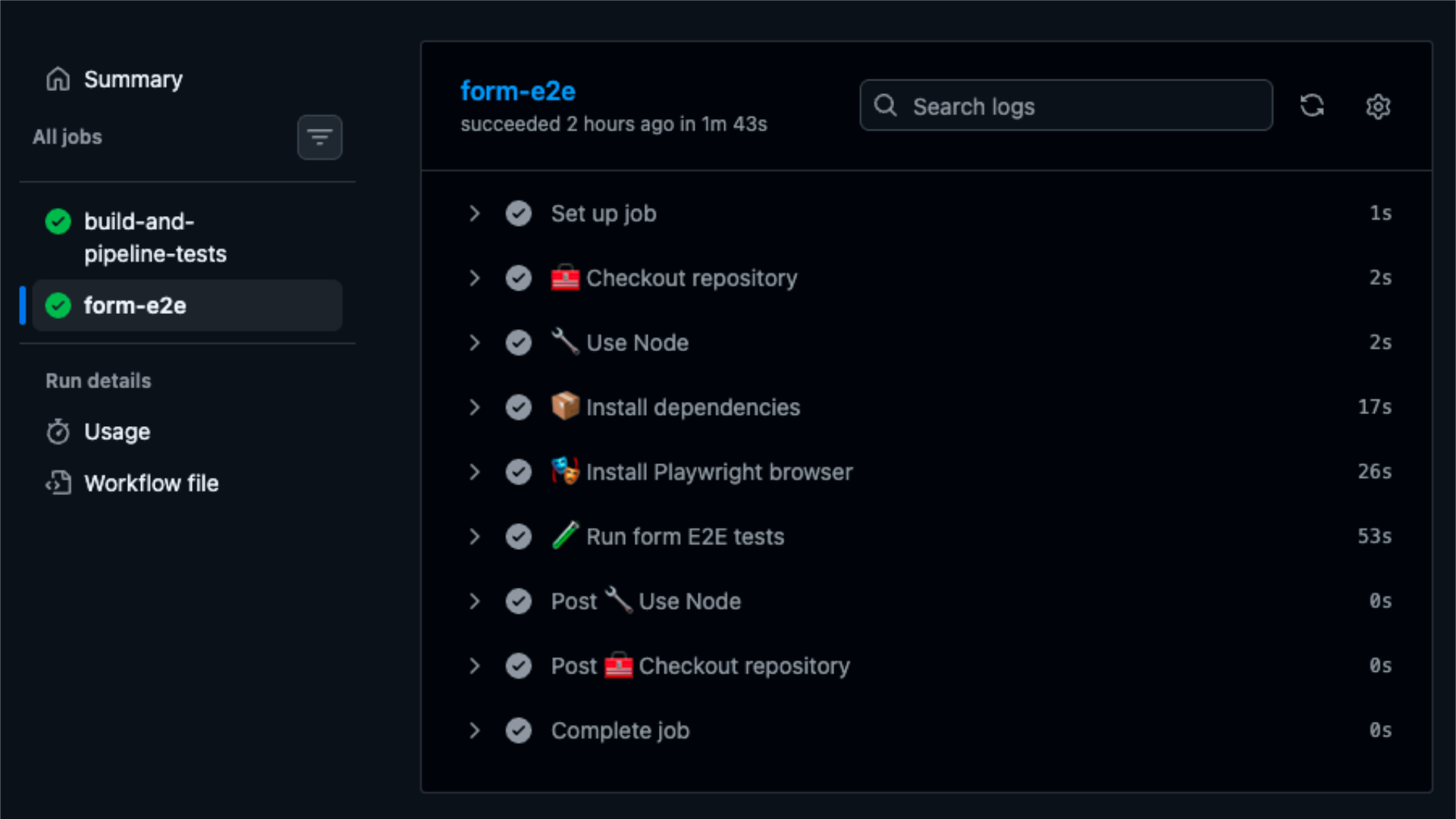
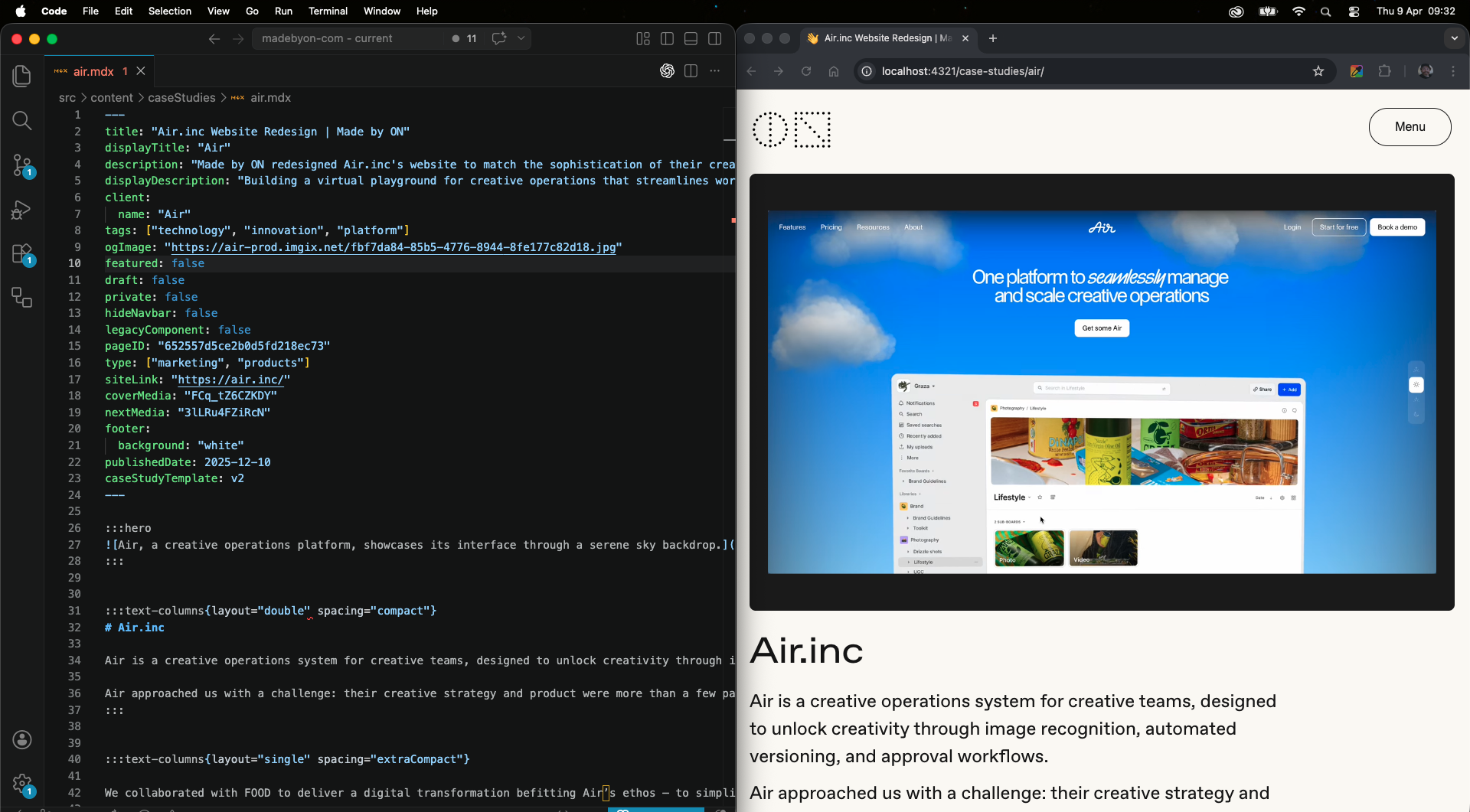
This July the placement went to Estelle, an A-level student in her final year. We gave her a website to design and build from scratch, following the same process anyone on the team would. Start in Figma, work out the interface, then take it into code. She built the front end herself in HTML, CSS and JavaScript, then pushed further than we’d asked, into GSAP for animation and into APIs, to understand what a back end was actually doing underneath the pages she was building.
Alongside the project she sat in on the meetings we don’t usually think to explain to outsiders. Client calls, internal check-ins, the ordinary back-and-forth of how a studio stays aligned week to week. That’s often where the real learning happens, less in the tools than in watching how a business talks to its clients and to itself.
“The team was incredibly welcoming, and I loved getting to talk to so many people about what they do daily.” — Estelle
You carry it with you
The placement sits on a longer thread. A few weeks earlier we’d welcomed Master’s students from UCL’s Human-Computer Interaction programme into the studio for an afternoon of talks and honest questions. Tudinh, our CEO, studied HCI at UCL, and so did Theo, one of our senior strategists. This wasn’t outreach in the abstract. It was someone showing students the room he once sat in, from the other side.
Theo walked them through his own route in. History and anthropology, then journalism, then an NGO, then HCI. His Master’s project on chatbots was made obsolete almost overnight when the first GPT models arrived the year he graduated. It is also, as it turns out, exactly what he draws on now, working out how people actually use the AI inside the tools we build. You rarely start afresh, was the message he left them with. You carry what interests you into whatever comes next.
What it’s for
We do all of this because we’re genuinely invested in the people trying to break into this industry. What seems to help is being handed something real to build, making the calls yourself, and sitting close enough to the day-to-day to see how the pieces fit together. Ideally someone leaves with practical knowledge and enough confidence for their next step, whether that’s another stage of their education or a first move into a career, knowing more clearly what this industry looks like from the inside.
That’s the shapeshifting part. Not that the students change, but that time at ON, a week’s placement or an afternoon’s conversation, should change the shape of what feels possible next.
If you teach, or you know someone who should be in the studio next summer, we’d like to hear from you.